



Marking National Indigenous History Month & National Indigenous Peoples Day
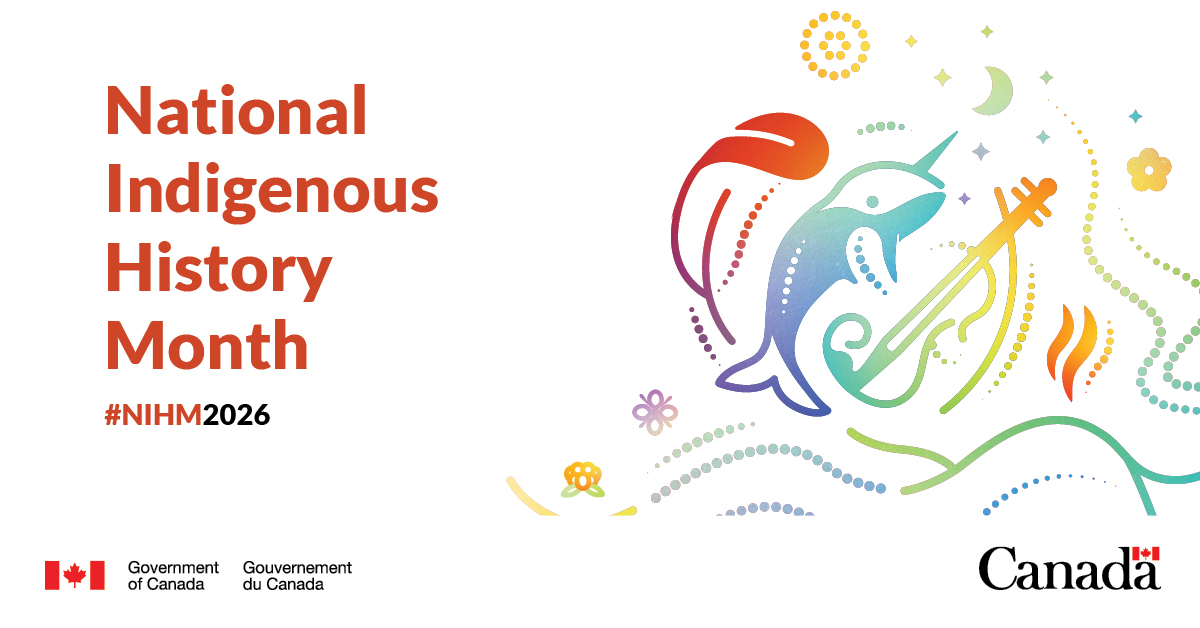
June is here, and with it comes the ninth National Indigenous History Month. It’s a time to honour the rich history, traditions, and lived experiences of Mi’kmaq, other First Nations, Inuit, and Métis Peoples across Canada and right here in Nova Scotia. Indigenous Peoples have lived on this land since time immemorial, and that presence continues to shape our province, our country, and the work we do as social workers every single day.
This month invites us to pause and reflect. Not just to celebrate, but to recognize the ongoing impacts of colonization and to look honestly at the unique role we hold in reconciliation and in decolonizing our own practice. You can learn more and find resources through the official National Indigenous History Month website. We’d encourage you to explore it, share it with your team, and use it as a starting point for reflection this month.
A New Year, New Standards
2026 marks the first year social workers in Nova Scotia practise under our new Code of Ethics and Standards of Practice. This isn’t a small update. It reshapes how we understand our responsibilities, especially when it comes to Indigenous Peoples.
Central to these new standards is Value 3: Pursuing Truth and Reconciliation. Under this value, we’re bound to a respectful understanding of Mi’kmaq and other Indigenous Peoples of Nova Scotia and Canada, including their treaty, constitutional, legal, and self-governance rights. Reconciliation, the standards remind us, is a reciprocal learning process. It’s built on respect, engagement, relationship-building, and an authentic commitment to meaningful change.
That means we’re each called to commit to decolonizing our practice and our profession.
Understanding Our History (Even the Hard Parts)
Our standards are clear: we need to learn the history of Mi’kmaq and other Indigenous Peoples, the reality of colonization, the impact of residential schools, and the enduring intergenerational trauma carried by individuals, families, and communities.
That includes looking honestly at our own profession. Social work has played a historical and ongoing role in colonization across the justice system, healthcare, and child and family well-being. The processes that contributed to the genocide of Indigenous Peoples didn’t simply disappear. They still live in our structures today.
As social workers, it’s our obligation to keep learning about these systems, unpack what they mean, and then advocate for significant change. This is where Value 2 (Promoting Social Justice) gives us concrete direction. Standard 2.2.1 calls us to advocate for changes to organizational policies that eliminate oppression and racism, while honouring Mi’kmaq and Indigenous Peoples’ rights to self-determination, cultural practices, and spiritual beliefs. Standard 2.2.2 pushes us further toward broader systems change in policy, social programs, and legislation.
This isn’t about guilt. It’s about accountability. And accountability, done well, makes our practice safer for the people we serve.
What This Looks Like in Real Practice
Big ideas like reconciliation can feel abstract until we connect them to the daily decisions we make. Here are a few practical ways these standards show up in the work.
Documentation and power
How we view and use documentation carries real power. Who controls the record? Who gets to define the story? Bridging and sharing that power with Indigenous services, so they have genuine control and informed consent, is a meaningful act of respect. It’s a small shift in mindset that protects dignity and builds trust.
Elders and traditional knowledge
In healthcare, particularly in palliative and grief care, advocating for the involvement of Elders and traditional knowledge becomes essential. Culturally responsive care at the end of life isn’t a nice extra. It’s a core part of meeting people where they are.
Housing, poverty, and equity
Equity is also rooted in how we distribute wealth. Our economic systems continue to keep many Mi’kmaq people in Nova Scotia living in deep poverty, rather than lifting communities up together. Standard 2.1.2 calls us to advocate for equity of services for Indigenous communities. As we talk with our communities about the future of Nova Scotia, including the cost of living, the cost of housing, and real economic struggle, we have a role in standing up for approaches that invest in people, especially those most disenfranchised by our systems.
Environmental stewardship
The climate crisis hits marginalized groups hardest, and environmental racism is real. Our standards ask us to uphold our responsibilities to the land. Standard 2.5.5 calls us to uphold the Constitutional and Treaty rights of the Mi’kmaq, recognizing their inherent right to govern land and water. Standard 2.5.6 asks us to integrate Mi’kmaq and L’nu laws, knowledge, practices, and worldviews into our environmental efforts. As conversations about resource development continue, these standards remind us that resource decisions are connected to poverty and environmental racism, and that we have an active role to play in changing this narrative, to when where embrace treaty rights and land back and ensure that those who steward land are based on this rights.
Allyship Is a Practice, Not a Title
None of this happens overnight, and none of it happens alone. Genuine allyship grows through building trust, nurturing respectful relationships, and developing solidarity over time. It means embracing the United Nations Declaration on the Rights of Indigenous Peoples (UNDRIP) and bringing it to life in the real conversations we have at work.
It also means enhancing our knowledge of Indigenous worldviews and weaving those learnings into our practice with individuals, families, and communities. We’re asked to recognize how Eurocentric perspectives have shaped our policies and organizational structures, and to demonstrate sincere, ongoing respect.
 An Invitation This June
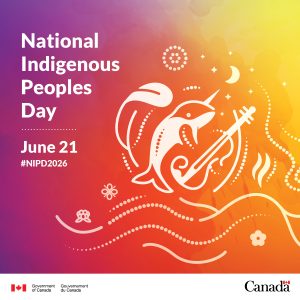
National Indigenous History Month and National Indigenous Peoples Day on June 21 aren’t just dates to acknowledge. They’re an invitation to truly engage, to learn, to reflect, and to create new meaning and new approaches to the work we do.
So here’s our ask. Take time this month to dig into our new Code of Ethics and Standards of Practice. Explore the National Indigenous History Month resources. Have a conversation with your team. Sit with what you learn, even when it’s uncomfortable.
When we enrich ourselves through this learning, we become better equipped to care for the people we serve and to build a Nova Scotia rooted in greater equity and justice. That’s work worth doing, together.